
Lumbar Decompression

📖 Table of Contents
- Lumbar Decompression
- Decompression Surgery
- Decompression Chair
- Decompression Hanging
- Expert Tips and Advanced Techniques
- Tools, Materials and Resources
- Tools, Materials and Resources
- Troubleshooting and Common Questions
- Troubleshooting and Common Questions
- Getting Started: Your First Steps
- Make It Your Way
- Frequently Asked Questions
Lumbar decompression refers to a range of techniques designed to relieve pressure on the lower spine, often used to treat conditions like herniated discs, spinal stenosis, and sciatica. Whether through non-invasive methods or surgical interventions, the goal is to reduce pain, restore mobility, and improve quality of life for individuals suffering from chronic back issues.
This guide serves as a comprehensive hub on lumbar decompression, covering everything from the different types of decompression techniques available to the surgical procedures and tools that support recovery. Understanding the full spectrum of options is crucial for making informed decisions about your health and treatment path.
Whether you're a patient considering treatment options, a healthcare professional looking to expand your knowledge, or simply curious about the science behind spine health, this guide offers a clear, structured overview and points you toward deeper resources for each sub-topic.
Key Takeaways
- Lumbar decompression can be non-invasive or surgical, depending on the severity of the condition.
- Decompression surgery, such as laminectomy, is a common procedure for severe spinal compression.
- Decompression chairs and hanging techniques offer alternative, non-surgical methods for relief.
- Choosing the right approach depends on diagnosis, symptoms, and professional guidance.
Lumbar Decompression
As of August 2026, Lumbar decompression encompasses both non-invasive and minimally invasive procedures aimed at relieving pressure on the nerves and spinal structures in the lower back. These methods are often used to treat herniated discs, spinal stenosis, and sciatica. Techniques can range from physical therapy and traction to more targeted interventions like epidural injections or spinal decompression therapy.
The effectiveness of lumbar decompression varies based on the underlying condition and the approach taken. For instance, studies have shown that non-surgical decompression can provide relief for up to 70% of patients with mild to moderate disc herniations. However, for more severe cases, surgical decompression may be necessary to achieve long-term relief.[1]
It's important to consult with a healthcare professional to determine the most appropriate form of lumbar decompression based on individual symptoms and diagnostic findings. A tailored approach ensures that treatment aligns with the patient's specific needs and goals.
In this guide:
In this guide:
In this guide:
In this guide:
In this guide:
In this guide:
Decompression Surgery

Decompression surgery, such as a laminectomy or discectomy, is a common treatment for severe cases of spinal stenosis, herniated discs, or nerve compression. These procedures involve removing bone, ligaments, or disc material that is pressing on the spinal cord or nerves.
Laminectomy, a specific type of decompression surgery, involves the removal of the lamina (the bony arch of the vertebra) to create more space for the spinal cord and nerves. According to the American Academy of Orthopaedic Surgeons, over 500,000 lumbar decompression surgeries are performed annually in the United States.[2]
While surgery can be highly effective, it's typically reserved for patients who have not found relief through non-surgical methods. Post-operative rehabilitation is critical to ensuring a full recovery and minimizing the risk of complications.
Related: Decompression Therapy
Related: What Is Decompression Technique
Related: Lumbar Decompression Exercises
Related: Lumbar Decompression Laminectomy
Related: Lumbar Decompression Table For Sale
Related: What'S Lumbar Pillow
Related: What Is Lumbar Foraminal Stenosis
Related: What Is Minimally Invasive Lumbar Decompression
Related: What Is A Lumbar Decompression
Related: What Is Lumbar Decompression Surgery
Related: Lumbar Stenosis Icd 10
Related: What Is Lumbar Laminectomy Surgery
Related: What Is Spinal Stenosis In Lumbar Region
Related: What Is A Lumbar Pillow
Related: What Is Lumbar Puncture Procedure
Related: What Is Lumbar Spinal Stenosis Symptoms
Related: What Is Lumbar Support Cushion
Related: What'S Lumbar Support Car
Related: Lumbar Spinal Stenosis
Related: What Is A Lumbar Support In Car
Related: Foraminal Stenosis In The Lumbar Spine
Decompression Chair
A decompression chair is a non-surgical tool designed to stretch the spine and reduce pressure on the discs and nerves. These chairs are often used in physical therapy or at home as part of a self-care regimen for chronic back pain.
The chair typically uses mechanical traction to gently pull the spine apart, increasing the space between the vertebrae and allowing herniated discs to retract. Clinical studies have shown that regular use of decompression chairs can lead to significant pain reduction in patients with chronic lower back pain.[3]
It's important to use a decompression chair under the guidance of a healthcare provider, as improper use can lead to injury or exacerbate existing conditions. These chairs are best suited for individuals with mild to moderate spinal compression or as a complement to other treatment modalities.
“Lumbar decompression refers to a range of techniques designed to relieve pressure on the lower spine, often used to treat conditions like herniated discs,”— Spinal Decompression Techniques editors
Decompression Hanging
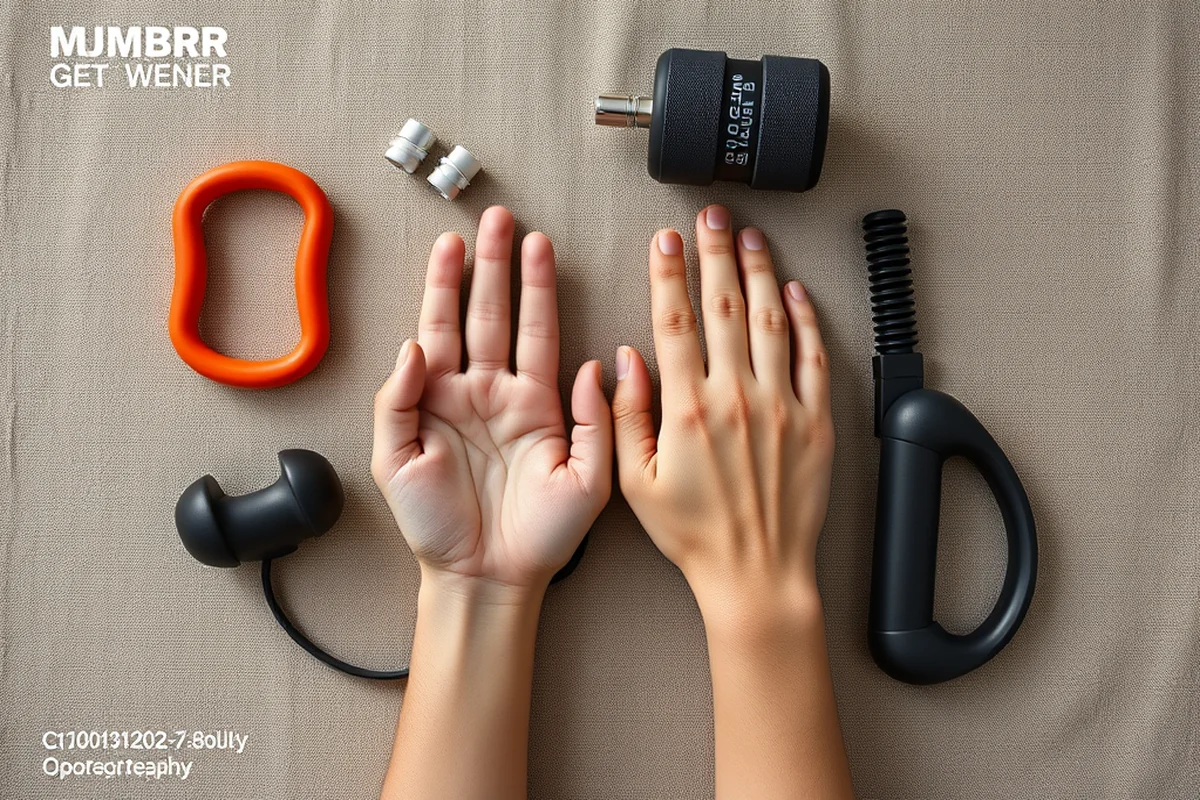
Decompression hanging, also known as inversion therapy or hanging from a bar, is a technique used to decompress the spine by temporarily reversing the effects of gravity. This method is often used in physical therapy or at home for individuals with chronic lower back pain.
When hanging from a bar or inversion table, the body's weight is distributed along the spine, which can help relieve pressure on the discs and nerves. Some practitioners report that this technique can lead to immediate pain relief and improved flexibility in the lower back.
However, decompression hanging is not suitable for everyone, particularly those with spinal instability or severe osteoporosis. It's essential to consult a healthcare provider before attempting this method to ensure it's safe and appropriate for your condition.
Expert Tips and Advanced Techniques
Expert practitioners emphasize proper body alignment and core engagement during decompression to avoid compensatory movements. Techniques such as supine leg raises, cat-cow stretches, and gentle spinal twists are often recommended to increase mobility and reduce pressure on the lumbar discs.[4]
Advanced approaches may involve the use of decompression tables or traction devices under professional supervision. These tools allow for gradual and controlled spinal elongation, which can be especially beneficial for individuals with herniated discs or chronic sciatica.
Incorporating breathing techniques and mindfulness during decompression can enhance relaxation and improve outcomes. Consistency and patience are key, as advanced techniques often require time and practice to master safely and effectively.
Tools, Materials and Resources
Common tools include decompression tables, traction devices, foam rollers, and lumbar supports. These can be used to apply targeted pressure and promote spinal alignment during decompression exercises.
High-quality resources such as physical therapy guides, online courses, and apps offer step-by-step instructions and progress tracking. These tools are especially helpful for self-guided practice and long-term management of lumbar discomfort.
Consulting with healthcare professionals, such as chiropractors or physiotherapists, provides access to personalized assessments and advanced decompression therapies that may not be available through self-directed methods.
Troubleshooting and Common Questions
One of the most common concerns during lumbar decompression is experiencing discomfort or pain. This can occur if the decompression is performed too aggressively or without proper support. It’s important to start with gentle techniques and gradually increase intensity, always listening to the body’s signals.
Many users also struggle with improper technique, which can reduce the effectiveness of the decompression and potentially lead to injury. To avoid this, it’s recommended to follow step-by-step guides or work with a qualified physical therapist to ensure correct posture and movement patterns during the process.
Another frequent question is whether decompression can be done at home. The answer is yes, but it requires the right tools, knowledge, and patience. If progress is not being made or if symptoms worsen, consulting a healthcare professional is essential to rule out more serious spinal conditions and adjust the decompression plan accordingly.
Getting Started: Your First Steps
To start lumbar decompression, begin by learning proper posture and breathing techniques. These foundational elements are essential for safe and effective movement. Begin with gentle stretches and gradually progress to more advanced decompression exercises.
Create a dedicated space for your practice, free from distractions. Invest in a comfortable mat or cushion to support your spine during decompression. Starting with short sessions—5–10 minutes daily—can help your body adapt to the new routine.
Consider guided resources, such as videos or books, to ensure correct form. As you become more familiar with the movements, increase the duration and intensity of your sessions. Consistency is key to achieving lasting improvements in spinal health and mobility.
🌱 Beginner
The simplest version — minimal supplies, quick win.
💰 Budget
Same result using what you already have.
⚡ Quick
The 10-minute version for busy days.
✨ Advanced
The upgraded version once the basics stick.
| The mistake | Why it happens | The fix |
|---|---|---|
| Assuming that all decompression methods are the same. | Different decompression techniques—whether non-surgical or surgical—address different conditions and require different levels of medical supervision. | Consult with a healthcare provider to determine the most appropriate decompression method based on your diagnosis and symptoms. |
| Overusing a decompression chair without professional guidance. | Improper or excessive use of a decompression chair can lead to injury or worsen existing spinal conditions. | Use the chair only as directed by a physical therapist or healthcare provider and monitor for any signs of discomfort. |
| Trying decompression hanging without a proper assessment. | Decompression hanging can be risky for individuals with spinal instability or other contraindications. | Get a full medical evaluation before attempting inversion therapy or hanging from a bar to ensure it's safe for your condition. |
Common Questions
What is the lumbar decompression technique?
What is spinal decompression laminectomy surgery?
What is a spinal decompression chair?
What is spinal decompression hanging from a bar?
References
- Anterior and Posterior Lumbar Decompression and Fusion (briankaramianmd.med.utah.edu)
- NCT07045714 | Bilateral Lumbar Decompression Via Uniportal ... (clinicaltrials.gov)
- Percutaneous Image-guided Lumbar Decompression for ... - CMS (cms.gov)
- Case Number: 202106-139355 | Department of Financial Services (dfs.ny.gov)
Cite this guide
Spinal Decompression Techniques (2026). Lumbar Decompression. https://spinefocuscare.com/lumbar-decompression/
Feel free to cite or share this guide.